
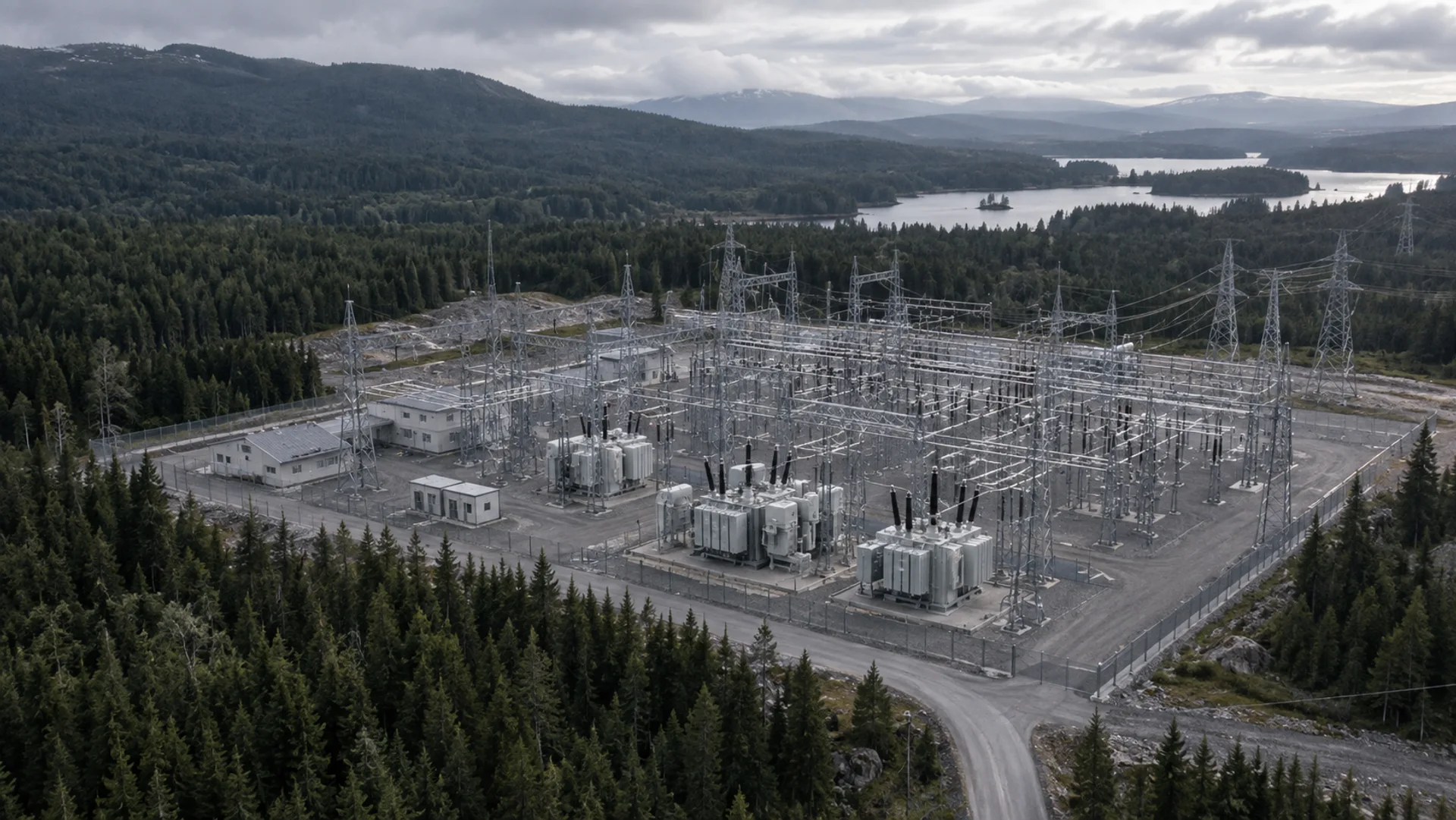
A investigation view would collect the relevant evidence and unresolved questions around the event, helping an analyst decide what merits escalation.
Scope one investigation type. Relate the event to permitted identity, asset and change records; preserve provenance and distinguish observation from inference.
What the operator needs to see
The event, affected asset, identity context and relevant changes, with source evidence separated from hypotheses.
The decision to support
Investigate further, escalate to the responsible team or close with an explicit reason; response authority remains with the designated role.
The response to coordinate
Create or update a reviewed incident workflow and follow its handoffs. Containment actions require separately validated scope and authority.
Core design considerations
Connect
relevant events, asset records, identity context and change history.
Review
evidence, uncertainty and business dependencies.
Coordinate
approved escalation or response through the existing process.
A workflow worth proving
Who can see, decide and act?
Define investigation access, sensitive-data handling and response authority. Use representative cases and security testing to evaluate the workflow.
Fit the implementation to the environment.
Confirm read access to the relevant event and asset sources. Any candidate response integration needs explicit authorization, failure handling and traceable acknowledgement.
Agree what success would mean.
Assess evidence gathering effort, investigation completeness and appropriate escalation using representative cases and security testing.
Explore the secure-data design considerations. ↗