
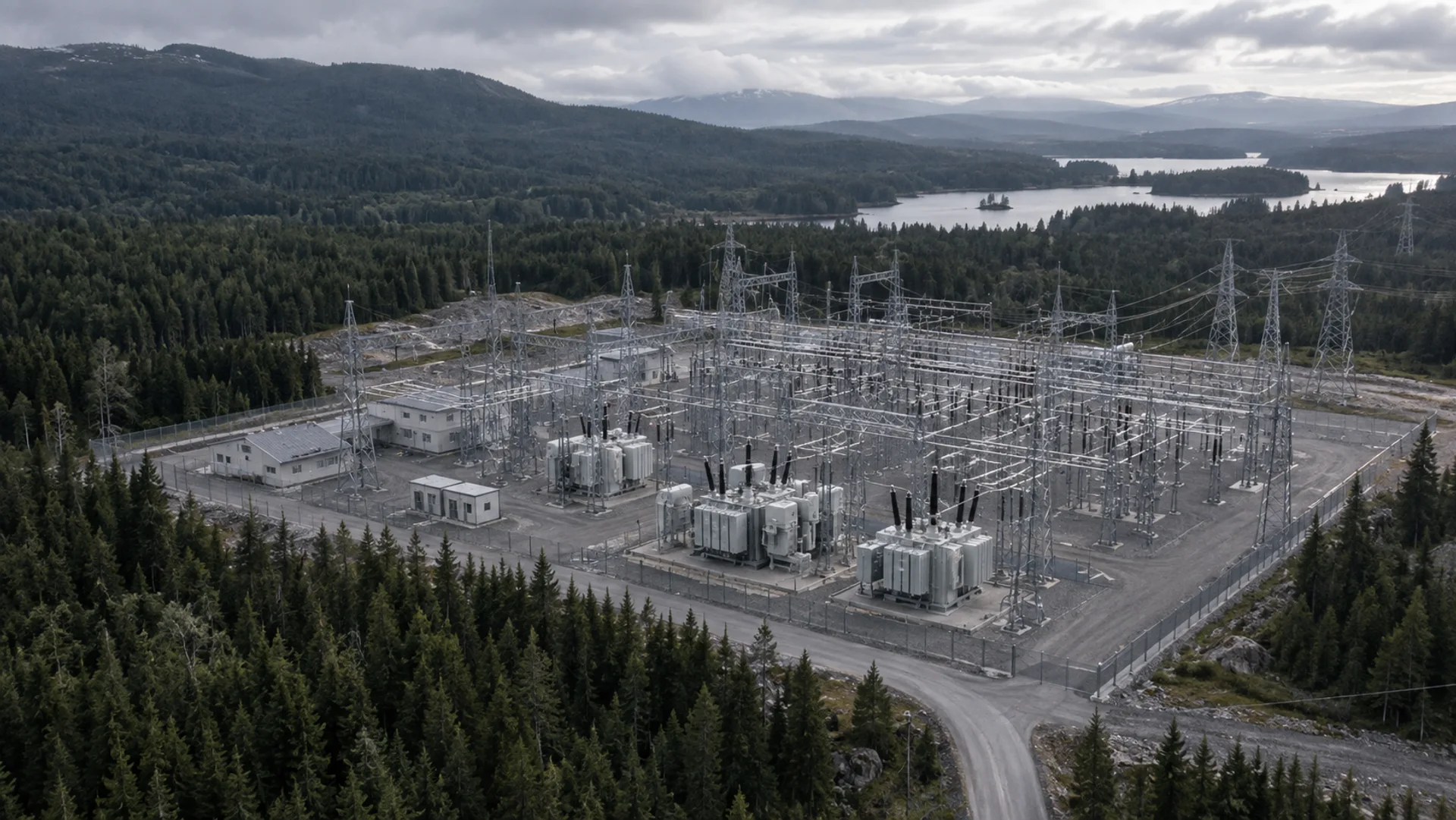
A operational view would connect the affected asset to work, constraints and service commitments, helping the responsible team evaluate a response.
Begin with one intervention decision. Map the asset identifiers across telemetry, maintenance history, field work and relevant external conditions; preserve timestamp and source disagreements.
What the operator needs to see
The asset, its recent condition, affected work and known constraints—alongside missing or stale information.
The decision to support
Investigate now, schedule an inspection or continue monitoring, with the reasons and responsible authority explicit.
The response to coordinate
Assign and track approved work through the existing process, confirming receipt and completion rather than assuming success.
Core design considerations
Connect
asset records, condition events, maintenance work and field availability.
Review
affected dependencies, source freshness and competing priorities.
Coordinate
an inspection or maintenance response with an accountable owner.
A workflow worth proving
Who can see, decide and act?
Establish who may inspect conditions and authorize operational changes. Review safety procedures, approval boundaries and records with the responsible team; this scenario does not replace those procedures.
Fit the implementation to the environment.
Review telemetry and maintenance interfaces, connectivity constraints and operating ownership. Evaluate the environment against the workflow’s requirements.
Agree what success would mean.
Agree how to assess review time, unresolved dependencies and confirmed work completion. Use representative failure cases as well as routine events.
Explore the intelligence layer. ↗